Requesting a Quote for On-Site Calligraphy at an NYC Product Launch
Planning a product launch in NYC? Learn how to request a quote for live event calligraphy, what information calligraphers need, and how to design a memorable brand activation.
LIVE EVENT ARTISTRY
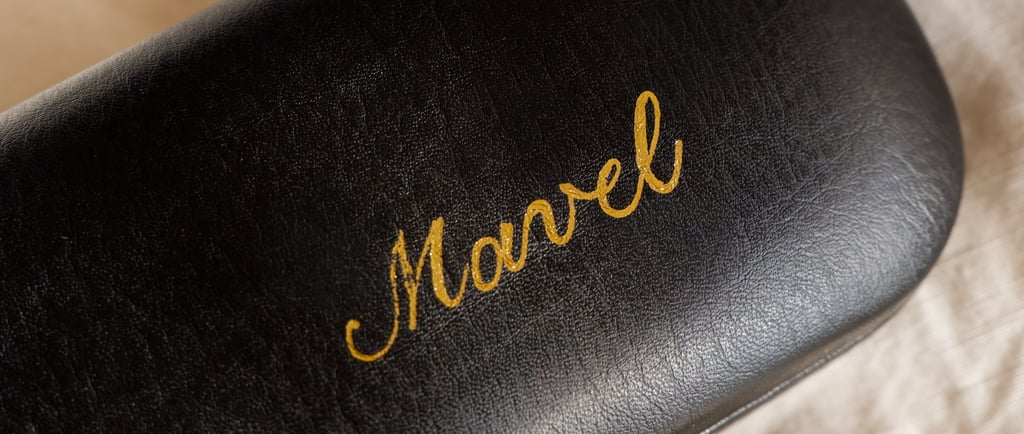
There's a moment I've witnessed at nearly every product launch I've worked on: a guest holds up their personalized piece, turns it over in their hands, and says "wait, you just did this right now?"
That pause. That's what brands are actually paying for.
New York launches are relentless. Brands pour budgets into florals, catering, and venues that photograph beautifully and vanish from memory by Monday. What cuts through isn't production value — it's the moment something was made for you, in front of you, with your name on it.
Live calligraphy and personalization activations, like engraving a perfume bottle, painting a tote bag, writing calligraphy on a Mother’s day card in real time, create that moment. They slow guests down inside a fast-moving event. They give people something to carry home, and something to talk about.
I'm Belle, a New York–based calligrapher specializing in live brand activations. I've worked with companies across the city to design on-site experiences built around their products, their guests, and the specific story they're trying to tell.
If you're in the early stages of planning a launch and want to figure out what a calligraphy activation could look like for your event — here's where to start.
What Calligraphers Need to Know Before Sending a Quote
A quote isn't just a number. It's a conversation about scope, logistics, and whether the activation is actually set up to succeed. These are the details I ask about before anything else.
The Brand and Product Story
The first question I always ask is: what are we launching, and what does this brand feel like?
That answer shapes everything. A fragrance brand launching a new bottle will lean toward engraving or bottle painting — the product itself becomes the keepsake. A luxury fashion brand might go for engraved metal charms or hand-lettered tags. A heritage brand with archival roots often wants traditional calligraphy on stationery or custom packaging that echoes their visual identity.
The personalization should feel like it was designed for this brand — not borrowed from another activation. The more you can tell me about the aesthetic, the story, and the guest experience you're going for, the better I can design something that actually fits.
Event Date and Availability
Live event calligraphers book out quickly, especially between September and December when the NYC event calendar is at its most packed. Six to eight weeks of lead time is ideal — it gives us room to align on details, prepare materials, and avoid rush fees.
If you're reaching out with less runway than that, it's still worth a conversation. Depending on complexity, a rush fee may apply, but I'd rather make it work than leave you without an option.
Event Location
Most of my work is in Manhattan, but I travel across the five boroughs and beyond. If your venue is outside the city, travel time and transportation will be factored into the quote — I'll be transparent about that upfront so there are no surprises.
The Item Being Personalized
This one matters more than most brands expect. What I'm writing on determines everything: the tools I bring, the prep time required, the pace of the activation, and whether we need to source materials in advance.
For product launches, the most common options are:
The product itself — engraved perfume bottles, painted packaging, foiled labels
Branded stationery — notecards, gift tags, event programs
Custom event favors — items designed specifically to be personalized on-site
Whenever possible, I recommend that the brand provide the items. It keeps the activation tied directly to your product, and it means I can focus entirely on the craft rather than logistics. If sourcing is needed, expect a 15–30% sourcing fee depending on what's required and how specialized it is.
Guest Count
This is the detail brands most often underestimate — and it's the one that can make or break the guest experience.
On average, I can serve 20–30 guests per hour, depending on the surface and the complexity of the design. That means a four-hour event realistically serves 80–120 guests per artist. For a launch with 300 or 500 attendees, one artist isn't going to cut it — and a long, slow-moving line doesn't feel luxurious, it just feels frustrating.
For larger events, I'll recommend bringing in multiple artists. We'll align on style beforehand so everything looks cohesive, and guests get the experience you actually intended.
Case Study: The Valentine's Activation Where Everything Almost Went Sideways
One of my favorite stories to tell is the Valentine's Day activation of a jewelry brand, because it's the clearest example of why experience matters when things don't go according to plan.
The brief was simple: create handwritten love letters in calligraphy on the brand's stationery for guests visiting their SoHo boutique during a two-hour event window. Short event, straightforward execution.
Except when I arrived, there was no stationery. The store manager hadn't been looped in on that detail, and nobody had thought to confirm it ahead of time.
It was also February in New York — genuinely, aggressively cold — and, not that it changed anything, but it happened to be my birthday.
I suggested that I source the stationery since I know the SoHo area well. I found a stationery store nearby that carried high-quality cardstock that would hold my ink well, bought what I needed, and came back. The activation ran. Guests received their handwritten love letters and the brand was grateful.
I share this not to be dramatic about it, but because it captures something real about live event work: no matter how well-planned an activation is, something unexpected will happen. What makes the difference is whether your artist can solve the problem without pulling you into it.
That's the experience you're hiring for, and not just the handwriting.
Common Mistakes Brands Make When Hiring a Calligrapher
Most of these are easy to avoid once you know to look for them.
Assuming One Artist Can Handle the Whole Room
I understand the instinct — you hire one person, the budget stays clean, done. But if you have 200 guests and one artist working at 25 guests per hour, that's an eight-hour line. At a two-hour event. That's not a calligraphy activation; that's a bottleneck.
Be honest with your guest count and plan accordingly. A well-staffed activation feels effortless. An understaffed one feels like a problem guests have to decide whether or not to bother with.
Not Aligning on Calligraphy Style
For multi-artist events, style consistency isn't optional. If one artist is writing Spencerian script with flourished capitals and another is doing modern calligraphy with a brush pen, the keepsakes look like they came from two different events. That inconsistency signals a lack of intention — which is the opposite of what a luxury activation is supposed to feel like.
Before the event, we establish a reference style, practice together if needed, and make sure every piece looks like it belongs to the same world.
Treating the Station as an Afterthought
I've seen calligraphy activations tucked into a corner, unlisted on the event program, mentioned in passing by one staff member. And I've seen the same activation promoted in advance on social media, positioned at the natural flow of guest traffic, and given its own moment during the event.
The second version gets a line. The first version gets a few curious guests.
If you're investing in personalization, build it into your event narrative. It becomes more valuable the more guests know to expect it.
Poor Station Placement
Guests love watching calligraphy happen. There's something about seeing ink hit paper in real time that draws people in. But visibility only works if guests know what they're looking at. A calligraphy station without signage is just a person sitting at a table. Large, clear signage positioned at the station — not across the room, not buried in the event program — tells guests immediately what's happening and why they should stop. That sign is doing half the work of drawing people in before I've even picked up a pen.
Calligraphers need a calm enough environment to produce work that looks like it should at a luxury event. A station planted in the center of a high-traffic aisle with nowhere to set materials and guests leaning over from every angle isn't that. Think: visible sightline, controlled flow, a little breathing room.
How to Design a Calligraphy Activation That Actually Lands
The activations I've been most proud of had a few things in common.
Personalize Item That Connects to the Product
The keepsake should feel like it belongs to the launch — not like a generic branded gift that happens to have someone's name on it. An engraved perfume bottle from a fragrance launch. A painted glass from a spirits brand. A hand-lettered PR package from a fashion house. When the item and the product are related, the personalization deepens the brand story instead of just decorating the event.
Staff It Correctly
For reference: 500 guests over four hours needs roughly four to six artists working simultaneously to keep things moving at a pace that feels premium. If you give me your guest count and your event window, I can tell you exactly what that looks like.
Build the Guest Experience Around the Artist
One of the highest-ROI things you can do is invest in a large, well-designed sign placed directly at the station. It should communicate what's being personalized, how it works, and any options guests need to choose from before they reach the front of the line. Done well, it functions as both marketing and queue management — guests arrive already knowing what they want, which keeps things moving and lets me focus on the actual work.
A character limit on names or messages so the line keeps moving. A request form or assistant at the front of the queue so I'm writing, not taking orders. These aren't complicated — but they're the difference between an activation that feels orchestrated and one that feels like organized chaos.
Why Handwriting Still Matters
We're living through a moment where everything is fast, digital, and generated. Emails are AI-drafted. Social content is templated. Attention spans are shorter than they've ever been.
Against that backdrop, something made by hand — slowly, deliberately, with a real person's focus entirely on you for two or three minutes — lands differently than it ever has.
The guests at your launch can feel the difference between a gift that was produced and one that was made. That feeling is what they remember. It's what they tell people about. It's what they photograph and keep on their desk six months later.
Calligraphy isn't just beautiful handwriting. It's the human moment inside a brand experience, and right now, that's more rare and more valuable than ever.
Request a Quote for Live Event Calligraphy in NYC
If you're planning a product launch, brand activation, or luxury event in New York City, I'd love to talk through what a personalization activation could look like for your guests.
My services include live calligraphy, engraving, bottle painting, and hot foiling — designed around your product, your brand aesthetic, and the experience you want people to walk away with. You may request a quote here.
FAQ
How much does a live event calligrapher cost in NYC?
Rates vary depending on the type of personalization and event length. Most calligraphers have a minimum that covers up to four hours of live work, including setup and prep time — because the preparation is essentially the same whether the event runs two hours or four.
How many guests can one calligrapher serve?
Most artists can serve 20–30 guests per hour, depending on the surface and the complexity of each piece. For larger events, plan for multiple artists.
What items can be personalized at a product launch?
Perfume and candle bottles, glass packaging, metal charms or keychains, combs, eyeglass cases, jewelry cases, stationery, event favors, and custom luxury packaging are all common. If you have something specific in mind, bring it up — I'll tell you whether it's feasible.
How far in advance should I book?
Six to eight weeks is ideal. During peak season (especially fall and holiday), earlier is better. Reach out even if your timeline is tight — it's worth a conversation.
© 2026. All artwork copyright by Handwritten by Belle.
Handwritten by Belle is an NYC calligrapher & live event artist serving New York, New Jersey & nationwide events. Services include calligraphy, engraving, hot foiling, bottle painting, and watercolor illustration. Please inquire to book for live events such as brand activations, product launches, corporate events, conferences, PR & influencer gifting, weddings, and so much more.